



Almost six in ten Britons believe the UK is likely to experience major disruption to essential services, yet fewer than a third trust the Government and public services to prepare adequately, according to new research from The Harris Poll UK.
The findings reveal widespread concerns about the resilience of Britain’s critical infrastructure, with electricity and gas supplies, food supply chains, healthcare services and communications networks all identified as potentially vulnerable.
The research follows the launch of the Government’s Be Ready campaign on 22 October 2026, which encourages households to prepare for three days of potential disruption resulting from incidents such as extreme weather, power cuts and interruptions to essential services.
However, the survey suggests that the Government faces a significant challenge in building public confidence, with many households questioning both the country’s preparedness and the messaging surrounding potential emergencies.
Energy Supplies Top the List of Public Concerns
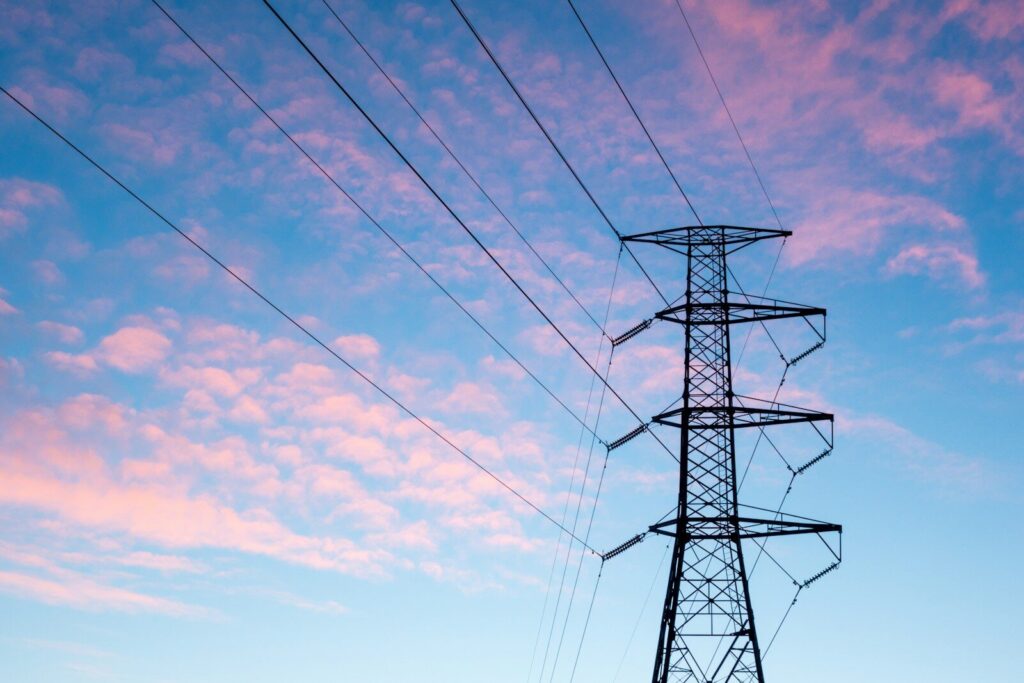
Electricity and gas supplies emerged as the greatest source of concern, with 81% of respondents believing the UK’s energy infrastructure is vulnerable to disruption.
Energy was also identified as the essential service where disruption would have the greatest impact on people’s everyday lives.
The increasing reliance on electricity for communications, home working, electronic payments, heating and other household functions means that prolonged power cuts could have consequences extending well beyond lighting and domestic appliances.
Concerns about the resilience of other essential services were also widespread, with the research finding that:
- 76% believe airports and airlines are vulnerable to disruption.
- 76% are concerned about internet and broadband services.
- 75% believe supermarkets and food supply chains are vulnerable.
- 75% are concerned about hospitals and healthcare services.
- 70% believe water supplies are vulnerable.
- 70% are concerned about telephone networks.
- 66% believe public transport is vulnerable.
The findings reflect public perceptions of the vulnerability of essential infrastructure rather than an assessment of the actual likelihood of individual services failing.
Nevertheless, they highlight the extent to which people recognise their dependence on interconnected services and the potential consequences of disruption.
Half of Britons Believe Government Emergency Advice Is Exaggerated
Despite 59% of respondents believing that major disruption in the UK is likely, half of those surveyed believe the Government’s emergency preparedness advice amounts to scaremongering or exaggerates the risks.
Meanwhile, just 31% trust the Government and public services to plan properly for potential emergencies.
The apparent contradiction suggests that while many people recognise the possibility of disruption, they remain sceptical about official messaging and lack confidence in the country’s ability to respond effectively.
The Government’s Be Ready campaign encourages households to maintain essential supplies, develop household emergency plans and identify sources of support that may be available during periods of disruption.
However, the research suggests that encouraging individual preparedness needs to be accompanied by clear communication about the measures being taken to protect essential infrastructure and maintain public services.
Panic Buying Raises Fears of Empty Supermarket Shelves
One of the most striking findings from the research is that 85% of respondents worry that panic buying by other members of the public could lead to shortages of essential goods, even where no genuine shortage exists.
The UK has previously experienced periods of unusually high consumer demand during national emergencies, most notably during the COVID-19 pandemic, when supermarkets faced difficulties maintaining stocks of certain everyday products.
The latest findings highlight the importance of encouraging households to prepare gradually and proportionately, rather than rushing to purchase large quantities of food, water and other essentials.
Sudden increases in demand can place unnecessary pressure on retailers and distribution networks, potentially creating temporary shortages that would not otherwise have occurred.
Cost of Living Limits Household Emergency Preparedness
Financial pressures represent another significant barrier to household preparedness.
Two-thirds of UK adults (66%) believe the cost of purchasing additional supplies would limit their ability to prepare for an emergency.
More than a third (38%) said the financial cost would significantly restrict their preparations or prevent them altogether.
Younger adults appear particularly affected, with 49% of respondents aged between 18 and 34 reporting that cost would significantly limit or prevent them from preparing.
For households already struggling with food prices, energy bills, housing costs and other essential expenditure, purchasing additional supplies may be difficult, even when the importance of emergency preparedness is recognised.
Although some preparedness measures involve little or no additional expenditure, building up reserves of food, batteries and other essential items may present a challenge for those with limited disposable income.
The findings raise questions about how emergency preparedness campaigns can better accommodate the needs of financially vulnerable households.
Building Public Confidence Without Creating Unnecessary Alarm
Steve Brockway, Chief Research Officer at The Harris Poll UK, said:
“What’s interesting about these findings is the gap between people’s concerns about disruption and their confidence in how prepared the country actually is. Nearly six in ten believe major disruption is likely, yet fewer than a third trust the Government and public services to plan properly.
“People are being encouraged to take responsibility for preparing their households, and there are sensible reasons for doing that. But household preparedness needs to sit alongside confidence that essential services are themselves resilient.
“The research also shows how carefully this advice needs to be communicated. Half the public believe the warnings are exaggerated, while 85% are concerned about panic buying. The challenge is to encourage practical, proportionate preparation without creating unnecessary alarm.”
National Resilience Requires More Than Household Preparedness
The research highlights the importance of a coordinated approach to emergency planning involving government departments, local authorities, infrastructure providers, retailers, emergency services and individual households.
While personal preparedness can help reduce the immediate impact of temporary disruption, households cannot independently address wider vulnerabilities affecting national energy networks, telecommunications infrastructure, healthcare services or food distribution.
Maintaining public confidence will therefore depend not only on encouraging people to prepare for emergencies but also on demonstrating that appropriate measures are in place to protect essential services and restore them quickly following disruption.
Clear, proportionate communication will also be important in ensuring that emergency preparedness advice does not inadvertently encourage panic buying or place additional financial pressure on vulnerable households.
The findings from The Harris Poll UK suggest that many Britons are already aware of the potential risks. The challenge now is to translate that awareness into practical preparedness while strengthening public confidence in the resilience of the services on which the country depends.
Sources and Further Reading
The Harris Poll UK – Not Always Ready, Willing or Able: How the UK Is Responding to the Government’s Emergency Advice:



More Stories
Manchester’s Pareto Financial Planning named in FT Adviser Top 100 Financial Advisers 2026 for fourth consecutive year
New Chamber chief rallies firms for first post-Budget survey
British Watchmaker Prestex Announces Final Sale of Retiring Collections Ahead of New Launches