




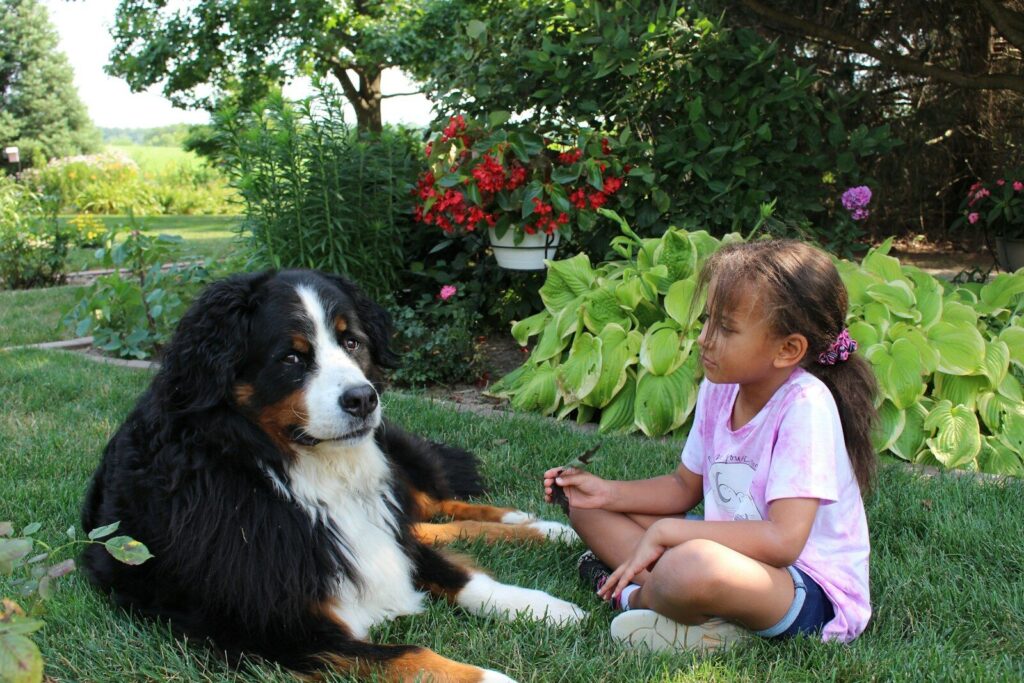
From garden ice pops to family treasure hunts, simple activities can help ensure pets are not left out when summer routines change
The school holidays may mean more family days out, later mornings and packed schedules, but a change in routine can leave dogs feeling confused, under-stimulated and left out.
With children at home, visitors coming and going and families spending more time away on day trips, dogs can quickly become bored if their usual walks, rest and attention are disrupted.
Dog-friendly snack brand Peamutt Butter has shared seven simple ways families can keep their pets entertained, included and mentally stimulated throughout the summer break.
- Make it ice pops all round
When the children are having an ice lolly in the garden, make sure the fur child is not left out.
Freeze a small amount of Peamutt Butter with water in a dog-safe mould or suitable enrichment toy to create a simple garden ice pop for your dog. It gives them a cooling activity of their own and helps turn family snack time into something everyone can enjoy together.
Always supervise your dog, serve treats in moderation and avoid wooden sticks or anything that could splinter or become a choking hazard.
- Create a dog-friendly treasure hunt
Hide small treats, such as Peamutt Balls, or favourite toys around the house or garden and encourage your dog to sniff them out.
Children can help choose hiding places and guide the dog around the trail, turning it into a simple activity the whole family can enjoy together.
- Give them their own holiday routine
Dogs benefit from consistency, even when the household timetable changes.
Try to keep mealtimes, walks and rest periods as regular as possible, particularly if the family is having later mornings or spending full days away from home.
- Turn playtime into family time
Short games of fetch, gentle tug, scent work or basic training can help dogs feel included without taking over the day.
Giving children responsibility for a supervised five-minute game or training session can also help strengthen the bond between them and the family pet.
- Rotate toys instead of buying more
Dogs can lose interest when the same toys are available every day.
Put some away and rotate them every few days to make familiar toys feel new again. Adding a little Peamutt Butter to a suitable puzzle toy can also make enrichment more rewarding.
- Plan dog-friendly days out
Not every family activity can include the dog, but walks, picnics, woodland trips and visits to dog-friendly cafés can give them a chance to join in.
Always check the weather, provide access to shade and water and avoid travelling or exercising dogs during the hottest part of the day.
- Help them switch off
A busy home can be just as tiring as an empty one.
Make sure dogs have a quiet, comfortable space where they can rest away from noise, children and visitors. They should be left undisturbed when sleeping or eating.
Dog trainer and Peamutt Butter ambassador, Janey Baker from Make Fetch Happen, said: “School holidays can completely change the rhythm of family life, and dogs often notice that change as much as anyone.
“They may have more people around them, but that does not always mean they are getting the right kind of attention or stimulation.
“Simple activities such as scent games, toy rotation and garden ice pops made with Peamutt Butter can help dogs feel included and give them something positive to focus on while the family is busy.
She added: “Look out for signs your dog is bored – chewing, barking, pacing, digging, attention-seeking and restlessness can all be signs that a dog needs more mental or physical stimulation.
“Sudden or persistent changes in behaviour should always be discussed with a vet, as they may be linked to stress, discomfort or an underlying health concern.”




More Stories
Coleg Cambria powers business growth and skills revolution across North Wales
Rapid Fusion fires up Prometheus launch with new international collaboration
Lawyer calls for action ahead of International Day to end Violence Against Women