




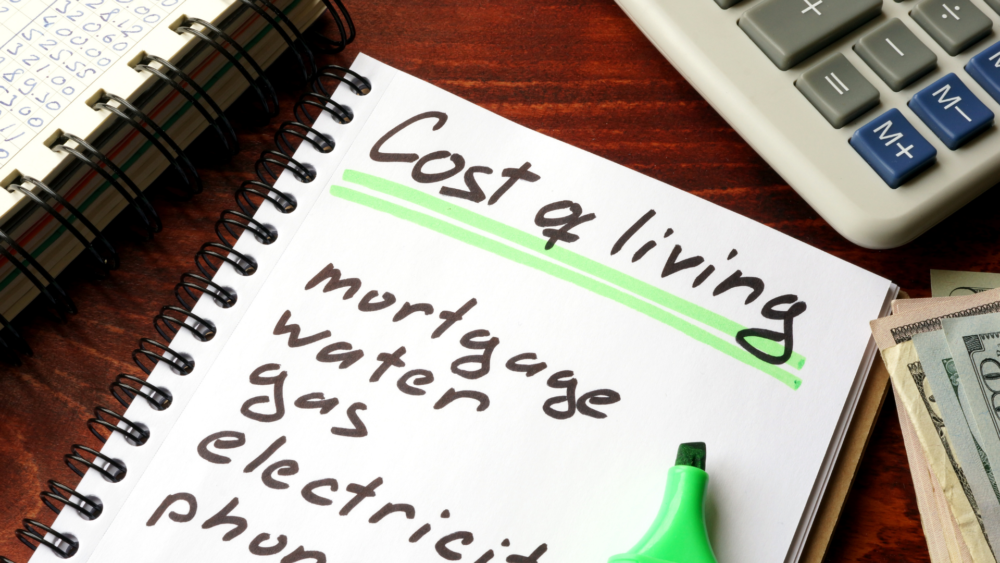
As the cost of living continues to soar in 2025, landlords across the UK and beyond are facing an uphill battle to maintain profitability while navigating a rapidly shifting economic landscape. With inflation affecting nearly every aspect of property ownership, from maintenance costs to utility bills, landlords are finding themselves squeezed on all sides, forcing many to make difficult decisions about their rent pricing and tenant relations.
The Rising Costs of Property Management
One of the biggest challenges landlords are grappling with in 2025 is the steep rise in maintenance and operational costs. According to recent industry reports, construction materials, labour, and energy prices have seen significant increases, putting pressure on landlords who need to keep properties in good condition. Whether it’s repairs, renovations, or general upkeep, the cost of managing rental properties has become substantially more expensive.
At the same time, utility bills for properties are rising sharply, with energy costs continuing to climb despite efforts to curb inflation. Landlords are often left to absorb some of these increases or pass them onto tenants, which can strain tenant relationships and lead to more frequent disputes over rising rent prices.
How to Navigate Rent Increases
In an attempt to cover their rising costs, many landlords are being forced to raise rents. However, increasing rents is not always an easy decision, as landlords must strike a careful balance between profitability and tenant retention. Rent hikes have been met with growing frustration from tenants, many of whom are already dealing with their own financial pressures.
In 2025, landlords are facing more stringent regulations around rent increases, especially in areas with rent control measures. For instance, some local councils have placed caps on rent hikes, requiring landlords to provide justification for price increases or adhere to a set percentage limit. While these measures are designed to protect tenants, they have made it harder for landlords to keep pace with rising property management costs.
With market rents fluctuating, landlords are often walking a tightrope, raising rent too much risks alienating tenants, while undercharging could mean they’re unable to cover mounting expenses.
Tenant Retention: The Key to Long-Term Stability
For many landlords, maintaining long-term relationships with tenants has never been more important. Tenant retention is now a central focus, as losing a tenant can mean incurring additional costs for advertising, cleaning, and repairs between tenancies. Moreover, the longer tenants stay, the more stable landlords’ income streams become. As a result, many landlords are looking for ways to offer added value without alienating their tenants.
In 2025, the best approach seems to be a more gradual rent increase. Rather than shocking tenants with a large, sudden hike, smaller increases spread over time are often more manageable. Landlords are also focusing on improving the overall tenant experience, offering incentives like maintenance upgrades, flexible payment options, or personalised services to build goodwill and prevent turnover.
The Changing Role of Technology in Property Management
Technology is playing an increasingly important role in helping landlords manage rising costs and optimise their properties. Digital tools are allowing landlords to streamline property management, reduce overhead costs, and improve tenant communication. Smart home technologies, for example, can help reduce energy consumption, saving both landlords and tenants money.
Moreover, property management platforms are offering more efficient ways to handle rent collection, maintenance requests, and communication with tenants. These digital systems can help landlords manage their portfolios more effectively while maintaining positive tenant relations.
Protecting Your Investment in Challenging Times
In the face of rising costs, it’s also crucial for landlords to ensure they have the right insurance coverage to protect their investment. Landlord insurance can provide essential financial protection against unexpected events such as property damage, tenant disputes, or legal issues.
CIA Landlords Insurance offer tailored insurance policies that can safeguard your property against the challenges of today’s rental market. Whether you need buildings, contents, or liability cover, our team can help you find the right policy to suit your needs. Don’t wait until it’s too late, ensure your property is covered and keep your investment protected.
What’s Next for Landlords in 2025?
As landlords navigate this turbulent landscape, many are left wondering what the future holds. The outlook for 2025 remains uncertain, with economic forecasts indicating that inflation and cost pressures will likely persist throughout the year. However, some industry experts believe that long-term stability can be achieved if landlords adopt a more strategic approach to property management and tenant relations.
For landlords, success in 2025 will depend on the ability to adapt. Whether that means investing in energy-efficient upgrades, embracing technology, or carefully managing rent increases, landlords will need to be proactive to protect their investments while remaining fair to tenants.
In 2025, the challenges of rising costs are unmistakably altering the landlord-tenant dynamic. While the increasing costs of property management and maintenance pose serious hurdles, there are also opportunities for landlords who can navigate this evolving landscape with flexibility, transparency, and innovation. As the year progresses, how landlords respond to these pressures will determine the future of the rental market and their role within it.




More Stories
Summerfield Homes Gives An Early Christmas Present Of Coastal Country Living At Discounted Price
Rochdale Business Awards 2026 winners announced as borough celebrates business excellence
OffAgent and Conveyo partner to help homeowners sell faster while cutting the cost of moving