



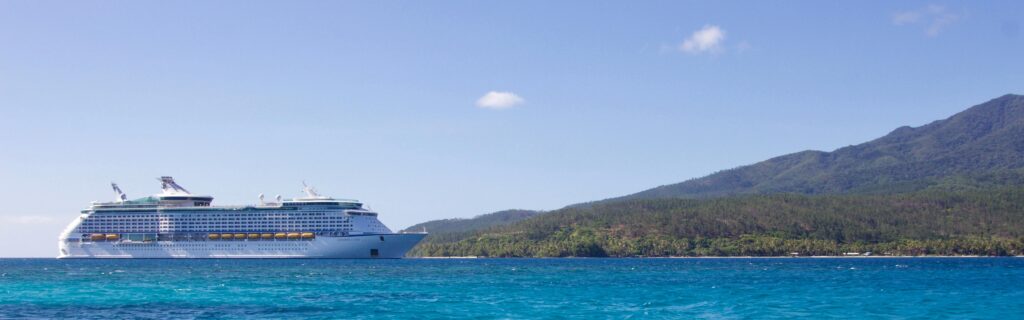
With the MV Hondius hantavirus outbreak making international headlines, some travellers may be wondering how prepared cruise ships really are to deal with onboard illnesses and medical incidents while at sea.
Mark Barton, cruise expert working with Avanti Travel Insurance, explains what passengers should know about onboard health protocols, isolation procedures and cruise safety ahead of the busy summer travel period.
How do ventilation systems, cabin design, and medical protocols help prevent outbreaks like these from happening – and have they evolved post-COVID?
“Cruise ship HVAC systems which are responsible for the heating, ventilation and air conditioning on the ship are vital for keeping the airflow and air quality comfortable and at the right temperature throughout the entire vessel. It’s crucial especially given how many people live on board for weeks at a time and re among the most sophisticated ventilation systems in the world, comparable in many ways to those used on commercial aircraft.
Unlike hotels, cruise vessels must operate safely in everything from Arctic conditions to tropical humidity, so the onboard air-handling systems are specifically designed to constantly circulate, filter and refresh the air.
Because many cabins don’t have opening windows – for both safety and operational reasons – these systems are absolutely critical to onboard health management.
The industry also underwent significant changes following COVID-19. Cruise operators are acutely aware that outbreaks onboard attract enormous public attention, so health monitoring, sanitation measures, isolation procedures and onboard medical protocols have all evolved considerably over recent years.”
How might “close contact” transmission realistically occur onboard – in cabins, dining areas or excursions?
“Close-contact transmission is always a possibility in any environment where large numbers of people are sharing facilities, whether that’s a cruise ship, hotel resort or even an airport terminal.
Cruise ships are effectively floating communities, so guests naturally interact in restaurants, lounges, excursion groups and entertainment spaces. However, modern ships are designed with this in mind, and the ventilation systems continuously filter and replace air in much the same way as on aircraft.
Importantly, cruise operators also have established outbreak-management procedures designed to minimise wider transmission if illnesses are suspected onboard.”
How does isolation work on an expedition-style ship like MV Hondius? A passenger said they’ve received deliveries of fresh fruit and vegetables – how do they know food is safe?
“Expedition vessels are generally very experienced in operating remotely and handling situations where passengers may need to remain onboard for extended periods.
Food deliveries and onboard catering procedures are tightly controlled. Fresh produce is checked, stored and handled by trained catering crews under strict hygiene protocols designed to avoid contamination or cross-contact with other food supplies.
There is currently no evidence to suggest hantavirus is spread through properly handled food deliveries onboard in this kind of setting. Cruise operators are extremely conscious of sanitation standards because maintaining passenger confidence is absolutely essential to the industry.”
How are many days’ worth of supplies typically stored onboard a cruise ship?
“That depends largely on the vessel, itinerary and the distance to the next port call, but modern cruise ships are designed to be highly self-sufficient.
Ships carry substantial stocks of food, medical supplies, fuel and other essentials, particularly expedition vessels operating in remote regions where resupply opportunities may be limited. There are also contingency supplies of longer-lasting food products onboard specifically to ensure passengers and crew can be supported comfortably in the event of delays or operational disruptions.”
Is this kind of case actually rare? How often do outbreaks happen onboard cruises?
“Cases like this are still considered extremely unusual. The cruise industry is very aware that it operates under intense public scrutiny, and operators invest heavily in sanitation, monitoring and preventative health measures as a result.
Most cruises operate entirely without incident, and when illnesses do occur they are far more likely to involve common gastrointestinal bugs or seasonal respiratory illnesses rather than something as uncommon as hantavirus.
The fact this incident has attracted so much attention reflects how rare it is, rather than how common.”
How well-equipped are cruise ships for medical emergencies? Are they equipped for virus outbreaks like this?
“Cruise ships effectively function as self-contained communities at sea, so they have to be prepared to deal with a wide range of medical situations independently.
Unlike a hotel ashore, a ship cannot simply call an ambulance within minutes, particularly when operating in remote areas like the Arctic or Antarctic. That means ships carry medical facilities, trained personnel, isolation capabilities and emergency response procedures specifically designed for onboard incidents.
Expedition vessels in particular are often built with remote operations in mind, although situations involving rare infectious diseases will always present unique operational challenges.”
How common are rodents onboard cruise ships? How do they get onboard, and how are they controlled?
“Rodents are unfortunately a reality in ports and coastal infrastructure worldwide, so ships – like hotels or restaurants ashore – have to remain constantly vigilant.
Cruise operators use extensive pest-control measures, including monitoring systems, traps and strict food-storage procedures, to minimise the risk of rodents getting onboard or establishing themselves onboard.
That’s why this outbreak is particularly surprising. Ships are generally very proactive about rodent control, which is one reason why speculation has emerged that infected passengers may potentially have boarded already carrying the virus, rather than it originating from an uncontrolled onboard rodent issue.”
Advice to those going on or looking to book a cruise:
“While incidents like this understandably attract headlines, they remain exceptionally rare within the global cruise industry. Modern cruise ships operate with extremely high sanitation standards, sophisticated medical protocols and robust outbreak-management procedures.
For the overwhelming majority of passengers, cruising remains a safe and well-managed way to travel, and isolated cases like this should not deter holidaymakers from booking future trips.
When booking your next trip, specialist cruise travel insurance that includes medical emergencies and repatriation, ensures you aren’t left with devastating costs for unplanned circumstances. Think of cruise cover as your safety net, protecting you against unique risks like cabin confinement, missed port departures, and unused excursions. Meaning you can enjoy your cruise holiday with travel reassurance.”




More Stories
Coleg Cambria powers business growth and skills revolution across North Wales
Rapid Fusion fires up Prometheus launch with new international collaboration
Lawyer calls for action ahead of International Day to end Violence Against Women