




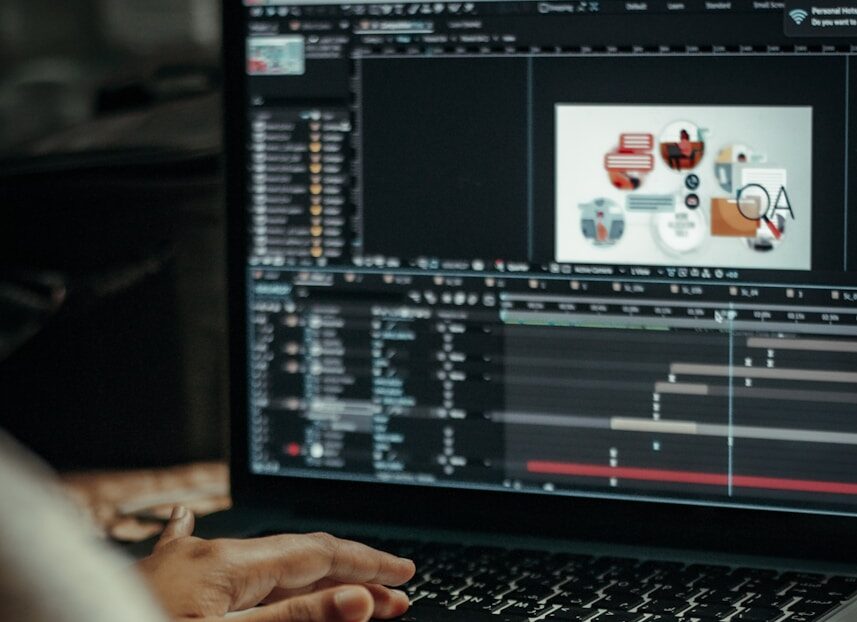
Animation has enthralled the world for more than a hundred years. The timeless magic of Walt Disney Feature Animation, the cutting-edge visuals of Sony Pictures, and the compelling Japanese animation are some of the best proof. But animation isn’t just entertainment—it’s an educational tool that nurtures young, imaginative minds to bring their stories to life.
Giving children the opportunity to animate their ideas into films can be fun and enticing. An animation course is a good platform for getting your kids started.
What Is an Animation Course for Kids?
Animation courses for kids are structured programmes that introduce young people to animation. These classes are generally for children seven to 16 years old and cover a range of topics, including:
- Stop motion animation
- Motion animation using software tools
- Drawing and editing skills to build a visual story
- Adding titles, effects, and audio to complete the movie
Qualified teachers and instructors often teach these courses, which may also be offered through UK schools or specialised learning centres.
How Animation Courses Benefit the Young Ones
1. Unleashing Creativity Through Storytelling
Animation blends art and imagination in one place. Sketching characters and scripting dialogues in animation courses let children:
- Create original worlds and characters
- Play with different styles and colours for characters and settings
- Craft storylines aligned with their own voice
- Use digital tools to improve their artwork
Every lesson can help children grow more confident in expressing their ideas. Animation allows them to express their thoughts through animated images and motion pictures.
2. Building Communication and Soft Skills
Animation may feel like a solo journey, but it involves teamwork, collaboration, and planning, especially in group animation workshops and classes. These sessions teach children the following skills:
- Communication skills in scriptwriting and feedback
- Problem solving, especially when troubleshooting misaligned scenes and broken frames
- Patience and time management, since a single animated work takes a long time to complete.
- Attention to detail, especially when using tools like onion skinning to align every frame
Animation builds your child’s art and soft skills, which will be valuable in school, life, and their professional career.
3. Developing Technical and Digital Confidence
Children are surrounded by many screens, from televisions, laptops, tablets, and mobile phones. An animation course enables them to create a productive relationship with technology as they learn these technical skills:
- Using animation software for frame-by-frame scenes
- Adding and syncing audio to every scene
- Practising video editing techniques
- Rendering and exporting the final video file
These foundational tech abilities can later be applied to coding, video production, or design—giving kids a head start in the animation industry or other digital careers.
4. Encouraging Focus and Resilience
Animation requires your kids to focus on their work. Even creating a 30-second stop-motion video can take many hours.
Through animation, children will learn to persevere through every trial and error. They will also learn to focus when managing sequences and create strategies if ever their creativity is challenged.
Learning to be resilient and confident, especially for beginners, can make kids face every challenge without falling behind.
Key Features of an Engaging Kids’ Animation Course
Look for animation classes that have the following:
1. Age-Appropriate Instruction
Animation activities tailored to specific ages should be available for kids of every age, especially beginners, so that they can learn the basics. The course should also encourage kids to express themselves freely.
2. Highly Qualified Instructors
Choose an instructor with a background in animation, education, or both. They should know how to make every lesson fun and inspiring. These teachers should also be able to break down complex ideas into structured and understandable bits for every student.
3. Creative Freedom
Students learn how to incorporate their ideas into concrete animations. The course should also allow kids to explore various animation styles and genres without overwhelming them with too much information.
4. Hands-On Projects
Students usually have a final project for the animation course. It can be a short movie, a looping GIF, or a frame-by-frame storytelling clip. The emphasis should be on working on the animation project, not just reading books or watching how teachers do it.
5. Use of Modern Tools and Software
While drawing is an essential skill for animation, using software is a big part of the skill itself. Sign your kid up for an animation course that allows them to use basic software and trains them in editing and sound.
Final Thoughts
Animation courses transform your kids from viewers to creators. Here, they’ll learn to plan, draw, edit, and create stories that matter in the form of movies or short clips. They can animate anything and develop technical and soft skills beyond the studio.
Sign up your kids for animation courses in online schools like Software Academy to hone their drawing skills and improve their focus, communication, and problem-solving abilities. Classes from these institutions can help your children become more creative, and animation is a great place to begin their journey to becoming good animators.


More Stories
New IMP Software and ISBL collaboration brings ASOT benchmarking directly into finance workflows
IMP Planner named Product of the Year at MAT Excellence Awards 2026
Get SATs Ready: Discovery Education Offers Free Doodle Access for Year 6 Pupils